Finding the perfect character name shouldn't feel like the hardest part of your creative process—but let's be honest, it often is. Whether you're writing a fantasy novel, building a game world, or creating an original character (OC), the right name can instantly bring your character to life. That's exactly where a character name generator steps in.
Instead of staring at a blank page, you get instant inspiration—names that actually fit your story, tone, and character personality. Modern tools like those on NamoSpark are designed to make this process faster, smarter, and way more fun.
Built for Every Purpose
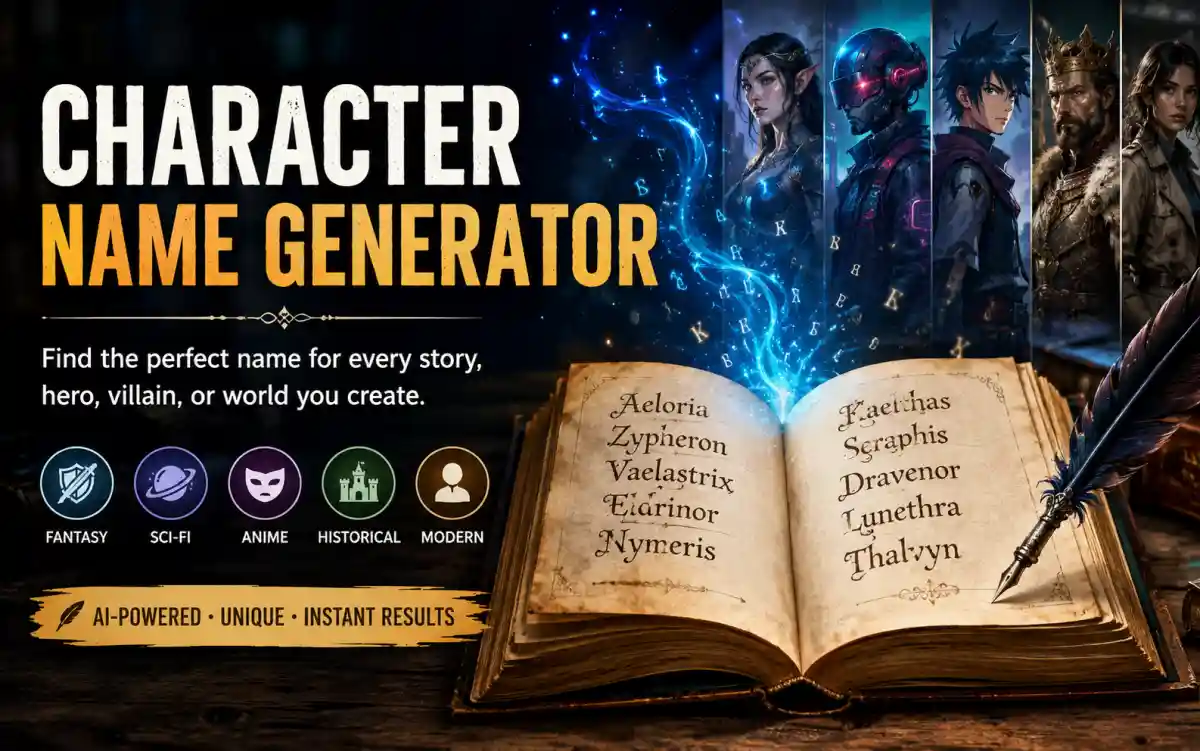
Not every character lives in the same world—so why should every name sound the same? A good character name generator adapts to your needs. Whether you're working on a high-fantasy epic, a sci-fi universe, or even a modern-day story, these tools help you find names that actually belong in your setting.
Writers use them for novels and scripts. Gamers use them for RPG characters. Content creators use them for branding and storytelling. And sometimes, people just use them for fun.
The point is simple: whatever you're creating, there's a name generator that fits your purpose.
Built for Storytellers
If you're a storyteller, you already know that names carry weight. A name can hint at a character's background, culture, or even their destiny. Think about it—would a dark villain and a lighthearted hero share the same naming style? Probably not.
Character name generators help bridge that gap by giving you names that match your world. Instead of random suggestions, you get ideas that feel intentional and story-driven.
And if you're stuck with writer's block, even one good name can unlock an entire character arc.
Wide Variety of Generators
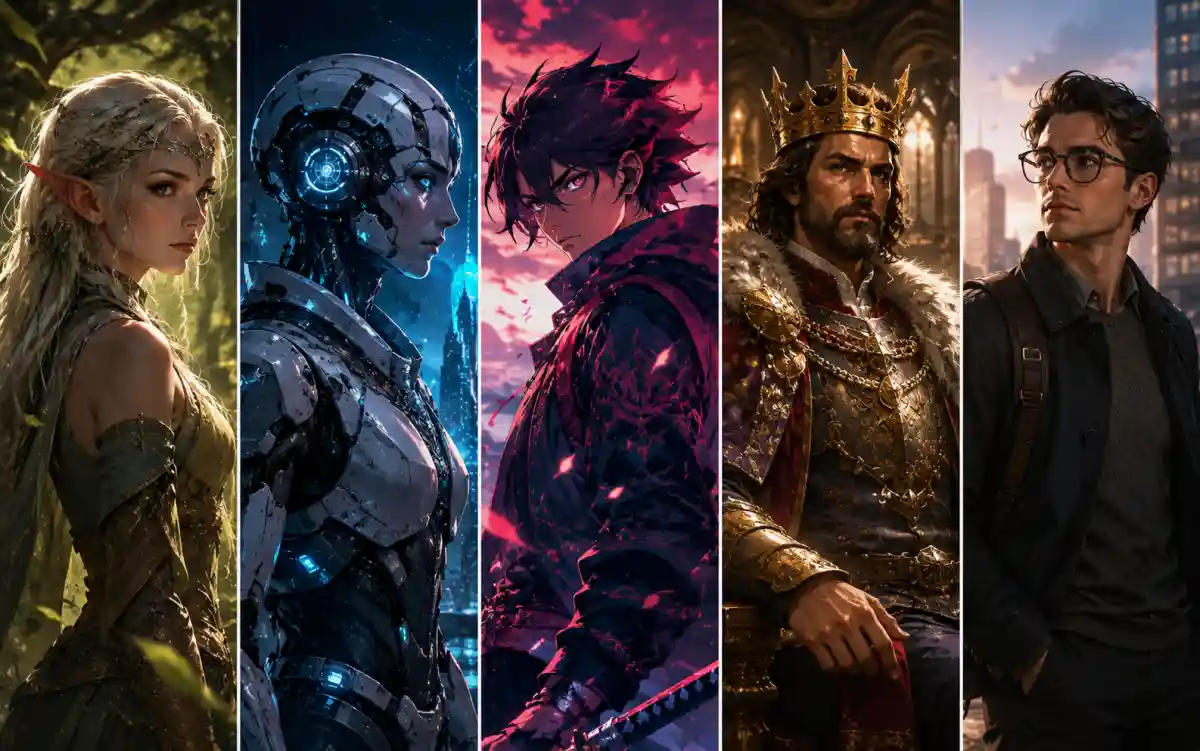
One of the biggest advantages of modern tools is variety. You're not limited to just "random names." You can generate:
- Fantasy names (elves, dragons, warriors)
- Sci-fi names (aliens, explorers, cyberpunk characters)
- Anime-style names
- Historical or cultural names
- Modern realistic names
This range matters because different genres follow different naming patterns. A medieval knight shouldn't sound like a futuristic hacker—and a good generator understands that. Some platforms even let you filter by language, gender, or theme, helping you get closer to the exact vibe you're aiming for.
Male Character Names
Today's best character name generators aren't just mixing random syllables—they're powered by AI. That means they can take your input (like personality, setting, or genre) and generate names that actually make sense. Instead of generic outputs, you get names that feel connected to your character.
For example, describing a "rebellious space explorer" might produce names that sound bold, futuristic, and slightly edgy—all at once. This kind of smart generation saves time while still keeping the creative spark alive.
| Name | Pronunciation | Meaning |
|---|---|---|
| Atticus | /AT-ih-kus/ | Man of Athens |
| Kade | /KAYD/ | Round Barrel |
| Silas | /SY-las/ | Man of the Forest |
| Ronan | /ROH-nan/ | Little Seal |
| Jasper | /JAS-per/ | Treasure Keeper |
| Elias | /eh-LY-us/ | The Lord is God |
| Cassian | /KASS-ee-en/ | Hollow Warrior |
| Thorin | /THOR-in/ | Thunder Born |
| Marcellus | /mar-SEL-us/ | Young Warrior |
| Finn | /FIN/ | Fair Haired |
Female Character Names
Once you find a name you love, you don't want to lose it. Most modern tools let you instantly copy, save, or even share your generated names. This is especially useful if you're collaborating with others—like co-writers, game developers, or creative teams.
It keeps your workflow smooth and lets you focus on what actually matters: building your story.
| Name | Pronunciation | Meaning |
|---|---|---|
| Seraphina | /sair-ah-FEE-nah/ | Fiery Angel |
| Iris | /EYE-ris/ | Rainbow Messenger |
| Nora | /NOR-ah/ | Light of Honor |
| Evangeline | /eh-VAN-jel-een/ | Bearer of Good News |
| Hazel | /HAY-zul/ | The Hazel Tree |
| Lirien | /LEER-ee-en/ | Song of Dawn |
| Cora | /KOR-ah/ | The Maiden |
| Winona | /wih-NOH-nah/ | Firstborn Daughter |
| Theodora | /thee-oh-DOR-ah/ | Gift of God |
| Freya | /FRAY-ah/ | Lady of Love |
Neutral Character Names
Some types of generators are consistently popular because they solve very specific creative needs. You'll often see tools for:
- Fantasy characters (elves, mages, warriors)
- Villains and anti-heroes
- Kingdoms and worldbuilding
- Sci-fi aliens and futuristic personas
- Game-specific names (RPGs, MMORPGs, etc.)
These focused generators are useful because they understand the "rules" of their genre—helping you create names that feel authentic instead of out of place.
| Name | Pronunciation | Meaning |
|---|---|---|
| River | /RIV-er/ | Flowing Water |
| Sage | /SAYJ/ | Wise One |
| Ellery | /EL-er-ee/ | Alder Tree |
| Quinn | /KWIN/ | Wise Counsel |
| Ashen | /ASH-en/ | Ash Tree Born |
| Wren | /REN/ | Small Songbird |
| Rowan | /ROH-an/ | Red Berried Tree |
| Bryn | /BRIN/ | Hill Dweller |
| Auden | /AW-den/ | Old Friend |
| Indigo | /IN-dih-goh/ | Deep Blue Dye |
Popular Name Generators
Behind every great tool is a simple idea: naming shouldn't be frustrating. Platforms like NamoSpark are built by creators who understand the struggle of finding the right name. The goal isn't just to generate words—it's to spark ideas.
Instead of replacing creativity, these tools support it. They give you a starting point, a direction, or sometimes that one perfect name you didn't even know you were looking for.
With dozens of generators and millions of names created, tools like these have become a go-to resource for writers, gamers, and creators worldwide.
Who We Are & What We Do
A character name might seem like a small detail—but it can shape how readers or players connect with your story. The right name feels natural. Memorable. Almost inevitable.
And while you can come up with names on your own, using a character name generator can save time, reduce frustration, and unlock ideas you might never have considered.
Use it as a tool—not a shortcut—and you'll find yourself creating better, more believable characters every time.